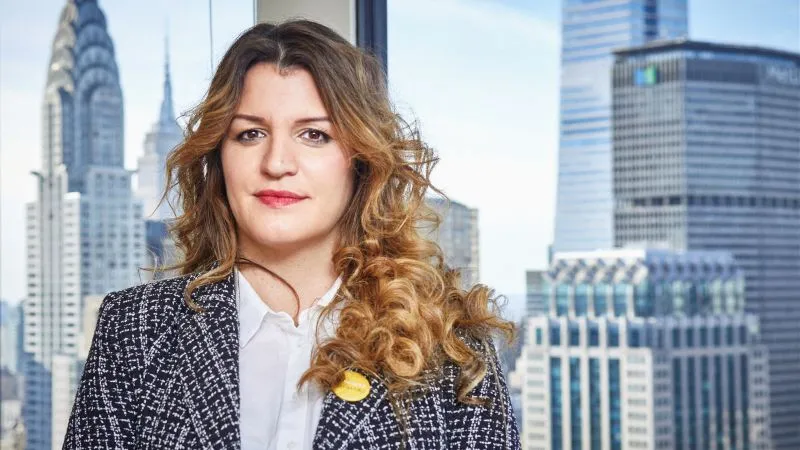
French Minister Marlene Schiappa has ignited a massive national debate after appearing on the cover of Playboy magazine. This controversial move has raised urgent questions regarding political decorum and the representation of women in high office. The controversy arrives at a particularly sensitive moment for the country, as the French government faces significant pressure. While Schiappa defends her personal choices, her critics argue that such imagery is inappropriate for a sitting minister. This tension is compounded by the fact that the nation is currently grappling with intense, widespread pension reform protests that have paralyzed much of the public sector.
Why has the Marlene Schiappa Playboy cover caused political friction?
The primary source of tension stems from the perceived mismatch between a high-ranking government official's magazine appearance and the current state of French national affairs. Marlene Schiappa, a minister since 2017, appeared on the cover of Playboy wearing a white dress to accompany a 12-page interview regarding her advocacy for women’s and LGBT rights. While the content of the interview was focused on political and social rights, the medium chosen for its publication has drawn sharp criticism from within the ruling administration.
French Prime Minister Elisabeth Borne expressed disapproval of the decision. According to a report by CNN affiliate BFMTV, Borne informed Schiappa that the cover was "not appropriate, especially during this period." This sentiment reflects a concern that the visual nature of the magazine appearance distracts from the gravity of the domestic issues currently facing the French state. The friction highlights a divide between the personal expression of a minister and the expectations of the Prime Minister's office during times of national instability.
The timing of the controversy
The timing of the magazine feature is particularly sensitive because France is currently navigating a period of intense social and political instability. This instability is largely fueled by President Emmanuel Macron’s efforts to implement controversial pension reforms, which have met with widespread public resistance and large-scale demonstrations across the country. The government is facing a significant crisis that has moved beyond policy debates into the realm of public unrest.
The social climate in France is currently characterized by widespread opposition to the government's direction. As the administration attempts to push through changes to the social contract, the appearance of a minister in a lifestyle magazine is being viewed by some as a distraction from the very real struggles occurring in the streets. This tension is not merely about a magazine cover, but about the perceived priorities of the government while the country is in the throes of a political and social crisis.
What is the impact of this controversy on the French political landscape?
The controversy has provided opposition leaders with significant ammunition to criticize the administration's focus and decorum. Jean Luc Mélenchon, a prominent politician who placed third in the 2022 presidential elections, used the incident to highlight what he perceives as a lack of seriousness in the government. Mélenchon specifically contrasted Schiappa’s Playboy appearance with President Macron’s recent decision to grant an interview to the children’s magazine, Pif Gadget.
According to Mélenchon, the combination of these two media appearances suggests a government that has lost its way. He stated via Twitter that in a nation where the President speaks to children's publications and a minister appears in Playboy, the fundamental problem lies with the opposition, suggesting that "France is going off the rails." This rhetoric aims to frame the administration as disconnected from the serious socioeconomic struggles of the French citizenry, painting a picture of a leadership that is more focused on media appearances than on the pressing needs of the public.
How has Marlene Schiappa responded to the criticism?
Marlene Schiappa has maintained a stance of defiance, framing the backlash as an issue of hypocrisy and a restriction on women's freedoms. In a direct response to her detractors via social media, she argued that the core of her appearance was the defense of women's rights and bodily autonomy. As a long-time advocate for women's rights and the country’s first-ever Gender Equality Minister in 2017, Schiappa views her actions through the lens of her professional mission.
Schiappa asserted that the right for women to have control over their own bodies is a universal and constant issue. She stated that women in France are free and dismissed her critics as "detractors and hypocrites." This defense shifts the conversation from one of political decorum to one of feminist empowerment, attempting to reclaim the narrative around her choice of media platform. By doing so, she positions the criticism not as a valid concern about timing, but as an attack on the very freedoms she has spent her career defending.
Who is defending the minister's actions?
Despite the criticism from the Prime Minister, Schiappa has received support from other high-ranking members of the government. French Interior Minister Gérald Darmanin emerged as a notable defender of her character and her right to maintain a distinct public persona.
During an interview with the French news channel CNews on Sunday, Darmanin described Schiappa as a "woman of character." He noted that while her personal style might not align with his own, he holds deep respect for her as a "courageous female politician." He remarked that she has her own style, which he respects despite the differences. This internal divide illustrates the varying perspectives within the French cabinet regarding how ministers should conduct themselves in the public eye during times of crisis, showing that the administration is not a monolith on the issue of ministerial image.
What is the broader context of the French social crisis?
The magazine controversy cannot be viewed in isolation from the broader socioeconomic turmoil currently gripping France. The nation is experiencing a period of significant unrest, primarily driven by the government's push to reform the pension system. This reform, which includes raising the legal retirement age from 62 to 64, has triggered a series of strikes and mass demonstrations. The scale of the opposition is widespread, affecting various sectors of the population.
The social tension is exacerbated by concerns over policing and the general sense of instability. Sandrine Rousseau, a Green Party politician and women's rights activist, highlighted this disconnect during a conversation with BFMTV. Rousseau suggested that the focus on such controversies might act as a "smoke screen," masking the more pressing issues of life and death and the ongoing social crisis facing the population. Her comments suggest that while the political class debates the appropriateness of a magazine cover, the fundamental issues of the social crisis remain unresolved and potentially ignored.
Key elements of the pension reform protests
Frequently asked questions
Why did Marlene Schiappa appear on the Playboy cover?
Marlene Schiappa appeared on the cover to accompany a 12-page interview regarding her work and advocacy for women’s rights and LGBT rights. She viewed the platform as a way to discuss these critical issues and assert the right of women to have control over their own bodies.
What was Prime Minister Elisabeth Borne's reaction?
Prime Minister Elisabeth Borne criticized the appearance, viewing it as inappropriate given the current political climate in France. According to reports, she communicated to Schiappa that the timing of such a cover was not suitable during the ongoing national social and political crisis.
How did Jean Luc Mélenchon criticize the government?
Jean Luc Mélenchon criticized the administration by comparing Schiappa's Playboy appearance to President Macron's interview with a children's magazine, Pif Gadget. He argued that these actions demonstrate a government that is losing its way, stating that France is "going off the rails."
Who defended Marlene Schiappa's decision?
French Interior Minister Gérald Darmanin defended Schiappa, calling her a "courageous female politician." He expressed respect for her character and her unique personal style, even though he noted that her approach to public life differs from his own.
What is the main cause of the unrest in France?
The primary driver of the current social unrest is the controversial pension reform proposed by President Emmanuel Macron. The most significant aspect of this reform is the plan to raise the legal retirement age from 62 to 64, which has sparked widespread public opposition.
Key takeaways
- Marlene Schiappa faced internal criticism from PM Elisabeth Borne for her Playboy cover appearance.
- The controversy occurred during a period of intense social unrest over French pension reforms.
- Schiappa defended her actions as a matter of women's rights and bodily autonomy.
- Opposition leader Jean Luc Mélenchon used the event to criticize the government's seriousness.
- Interior Minister Gérald Darmanin defended Schiappa as a courageous politician with character.
Conclusion
The controversy surrounding Marlene Schiappa's appearance in Playboy highlights a deep divide in the French political landscape. While the incident began as a debate over ministerial decorum and appropriateness, it quickly evolved into a broader discussion about feminist rights, political leadership, and the government's ability to manage a national crisis. As France continues to grapple with the social implications of pension reforms, the friction between individual expression and the perceived responsibilities of public office remains a central theme in the country's ongoing political discourse.