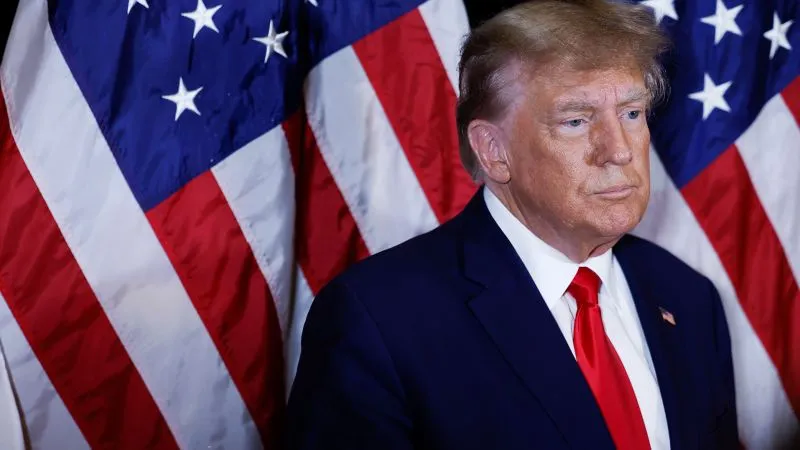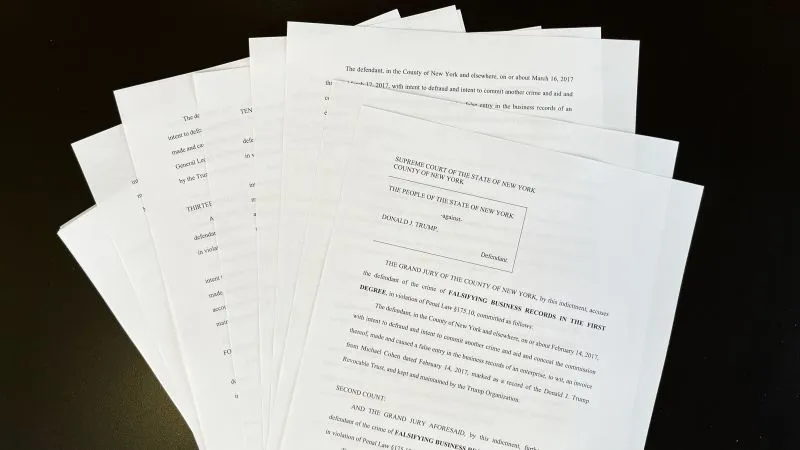
The legal proceedings surrounding former President Donald Trump's hush money indictment represent a historic intersection of criminal law and high-stakes American politics. As prosecutors move forward with the case, the nation watches closely to see how the judicial system handles such unprecedented allegations against a former leader. This complex legal battle involves intricate details regarding financial records and testimony, setting a significant precedent for future litigation. The upcoming courtroom proceedings will likely shape the political landscape and redefine the boundaries of executive accountability in the United States.
What is the core of the Donald Trump indictment?
The Donald Trump indictment focuses on allegations that the former president was involved in illegal activities related to hush money payments. These payments were reportedly made to ensure silence regarding certain matters during a critical election period. The legal framework of the case suggests that these transactions were not merely private agreements but were part of a larger effort to influence the political process through non-disclosure.
The prosecution's case rests on the premise that the method of payment and the intent behind the transactions violated specific legal standards. While the details of the specific payments are central to the indictment, the broader legal question concerns how these financial arrangements intersect with election laws and disclosure requirements. This legal scrutiny aims to determine whether the actions taken constituted a criminal attempt to manipulate the electoral environment. The core tension lies in whether these expenditures were personal expenses or campaign-related costs that required transparency under the law.
How did the arraignment proceed?
The arraignment of Donald Trump served as a pivotal moment in the judicial process, bringing the legal allegations into the public eye. During the proceedings, the former president appeared in court to face the formal charges brought against him. Reports from the courtroom indicated a highly controlled environment as legal teams for both the prosecution and the defense prepared for the long-term litigation ahead.
The atmosphere during the arraignment was described by observers as intense, reflecting the unprecedented nature of a former head of state facing criminal charges. The court's primary role during this phase was to ensure that the defendant was formally notified of the charges and to establish the procedural timeline for the upcoming trial. This event set the stage for a legal battle that is expected to span several months and involve significant judicial oversight. The procedural nature of the hearing, while standard in criminal law, took on a heightened significance due to the identity of the defendant and the global attention surrounding the case.
What are the political implications of these legal challenges?
The legal challenges facing Donald Trump have profound implications for the current US political climate and the upcoming election cycles. Many analysts suggest that these proceedings could influence voter sentiment and the strategic decisions of political parties. The intersection of criminal law and high-stakes politics creates a complex environment where legal outcomes are closely watched for their potential to shift political power.
Furthermore, the case has become a focal point for debates regarding the accountability of political leaders and the impartiality of the justice system. Supporters of the former president often view these proceedings through a political lens, suggesting they are motivated by partisan interests, while critics argue they are essential for upholding the rule of law. This polarization ensures that the legal proceedings will remain a central theme in national political discourse, potentially influencing voter mobilization and party platform shifts in the lead-up to future elections.
How does this impact the US political landscape?
The impact on the US political landscape is characterized by increased scrutiny of campaign finance and the ethical standards expected of candidates. As the legal process unfolds, it forces a re-examination of how private financial matters can become public legal concerns. This shift is likely to influence how future campaigns manage sensitive information and financial disclosures, as the line between personal business and political activity becomes increasingly scrutinized by both regulators and the public.
Additionally, the case highlights the growing role of the judiciary in matters that were traditionally considered purely political. The ability of the legal system to navigate high-profile cases involving political figures will be a test of institutional resilience and public trust in the neutrality of the courts.
The role of public perception
Public perception plays a critical role in how these legal developments are interpreted across the country. The division in opinion often follows partisan lines, making it difficult to reach a consensus on the significance of the indictment. This fragmentation can lead to heightened tensions during election seasons, as legal developments are frequently utilized as political tools by various factions to either defend or attack political opponents.
The media coverage of the case also contributes to this perception, as different outlets frame the legal arguments in ways that align with their respective audiences. This creates a feedback loop where legal facts are filtered through existing political biases, further complicating the public's ability to form a unified understanding of the case's merits.
Future legal precedents
The outcome of this case may establish significant legal precedents regarding the prosecution of high-ranking officials. If the court reaches a definitive verdict, it will provide a roadmap for how similar allegations of financial misconduct are handled in the future. This could fundamentally change the way political figures interact with the legal system during and after their time in office, potentially setting a new standard for transparency and accountability.
The legal community will be watching closely to see how the court interprets the nuances of campaign finance law in relation to non-disclosure agreements. The decision will likely influence how prosecutors approach similar cases involving political figures and how defense attorneys structure their arguments regarding the intent and purpose of financial transactions.
Frequently asked questions
What is the basis of the indictment?
The indictment is based on allegations that Donald Trump used hush money payments to influence the outcome of an election. The legal focus is on whether these payments were improperly recorded or used to bypass campaign finance regulations and disclosure laws.
What happened during the arraignment?
During the arraignment, Donald Trump was formally presented with the charges against him in a court of law. This procedural step is necessary to move the case forward toward a trial, ensuring the defendant is aware of the specific legal claims.
How might this affect future elections?
The legal proceedings could affect future elections by influencing voter behavior and shaping the political narratives of various candidates. The case serves as a significant point of contention that can be used to galvanize or alienate different segments of the electorate.
Is this a common legal occurrence?
While legal challenges for political figures are not unheard of, the indictment of a former president is an extremely rare and significant event. It represents a unique intersection of criminal law and the highest levels of government authority in the United States.
What is the next step in the process?
Following the arraignment, the case will move into the discovery and pre-trial motion phases. During this time, both the prosecution and the defense will exchange evidence and file motions to shape the direction and scope of the eventual trial.
Key takeaways
- The indictment involves allegations regarding hush money payments made during a political campaign.
- The arraignment was a formal legal step to notify the former president of criminal charges.
- Legal proceedings against a former president have significant implications for US political stability.
- The case examines the intersection of private financial transactions and public election laws.
Conclusion
The indictment of Donald Trump regarding hush money payments represents a landmark event in the American legal and political systems. By bringing these allegations into a formal courtroom setting, the judicial process is testing the boundaries of campaign finance and executive accountability. As the case moves toward trial, its influence will extend far beyond the courtroom, affecting voter perceptions and the broader political landscape. The eventual legal resolution will likely serve as a significant precedent for how the United States handles the intersection of high-level politics and criminal law in the years to come.