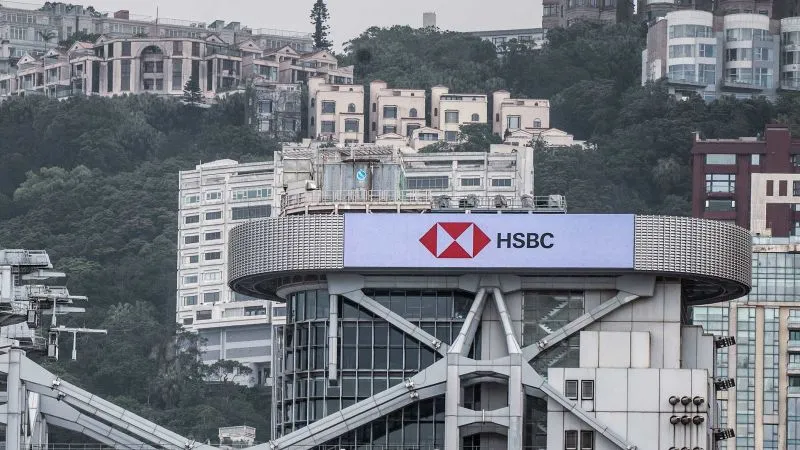
As major shareholders in Hong Kong demand a reorganization to protect regional profits, HSBC's top brass argues that a breakup would destroy shareholder value. The bank's leadership maintains that its current integrated model provides superior stability and long-term growth compared to a fragmented structure. This tension comes as investors push for a clearer separation of assets to unlock the true potential of the bank's highly lucrative Asian operations. However, executives warn that such a move would create unnecessary complexity and weaken the firm's global competitive edge.
Why are shareholders calling for an HSBC spin-off?
Shareholders in Hong Kong, a critical market for the lender, are pushing for a formal plan to separate the bank's profitable Asian business from its global operations. The core argument from these investors is that the performance of the London-based group is being weighed down by underperforming segments in other geographic regions. By cordoning off the Asian activities, proponents believe the bank could unlock significant value and shield Hong Kong-based investors from regulatory and financial pressures in other jurisdictions.
The tension is particularly high among retail investors who view HSBC as a mainstay of their portfolios. For many, the bank's complex global structure has historically led to complications, such as the 2020 dividend cancellation requested by British regulators. This move deeply affected small-scale investors, including local professionals, who relied on those payouts for essential living expenses. Christine Fong, a district council member in Hong Kong, noted that street hawkers, taxi drivers, and teachers relied on these dividends for mortgages, insurance, and school fees. Consequently, there is a growing movement to use the upcoming annual general meeting in May to force a strategic overhaul through a formal vote.
The push for transparency and rights
Activist shareholders are currently organizing targeted outreach to institutional investors to build a coalition for the breakup. Ken Lui, an activist shareholder in Hong Kong who put the resolution together, has doubled down on his call for support. Lui, who personally holds a stake worth 100 million Hong Kong dollars ($12.7 million), is focusing his team's efforts on "targeted outreach to institutional shareholders to present our case and gain their support."
The resolution requires a 75% majority to pass in May, a high threshold that necessitates significant support from large-scale holders. To reach this goal, Lui's group plans to canvass 18 districts in Hong Kong. The objective is to tell HSBC shareholders that they finally have a chance to speak for themselves and protect their rights through voting. This grassroots and institutional approach aims to turn the upcoming general meeting into a decisive moment for the bank's future structure.
How does HSBC leadership defend its current structure?
HSBC leadership has maintained that a breakup would be counterproductive to the long-term interests of its investors. Chairman Mark Tucker stated that the board was unanimous in its opposition to the resolution, telling more than 1,000 shareholders in Hong Kong, "It would not be in your interest to split the bank." He emphasized that the board had previously reviewed various restructuring options and concluded that any significant reorganization would materially destroy value, specifically regarding dividend stability.
CEO Noel Quinn addressed the concerns regarding regional underperformance by asserting that the group's performance is now balanced. He noted that profits in the Hong Kong and UK markets are no longer being dragged down by losses in other areas, stating, "The group is performing well as a whole." Furthermore, Quinn argued that a formal split would lead to a significant loss in revenue because a large portion of the bank's business model is built upon facilitating cross-border transactions, which would be hindered by a fragmented structure.
What role does Ping An play in the reorganization debate?
Ping An, China's largest insurer, serves as a major catalyst for the pressure on HSBC due to its 8% stake in the lender. The Chinese firm has expressed support for any initiatives that could improve the bank's performance and valuation, including a potential spin-off. This stance has added significant weight to the calls for a strategic rethink of how the bank operates globally.
According to reports, Ping An has been advocating for a reorganization that would simplify the bank's global regulatory obligations and boost its overall stock performance. Huang Yong, chairman of Ping An’s asset management arm, previously stated that the firm would support initiatives conducive to improving HSBC’s performance and value. While the insurer has not recommended a specific path forward or a specific way to vote, its willingness to back a spin-off suggests that institutional pressure from the East is a primary driver of the current tension. This creates a complex dynamic where the bank must balance the interests of its Western headquarters with the demands of its most influential Asian shareholders.
Was the SVB UK acquisition handled with proper due diligence?
The recent purchase of Silicon Valley Bank’s (SVB) UK arm for £1 ($1.20) has raised questions among some investors regarding the speed and depth of the bank's due diligence process. Critics have voiced concerns about whether HSBC had sufficient time to scrutinize the financial statements and creditworthiness of SVB UK's client base before finalizing the deal. Christine Fong, for example, questioned whether HSBC looked into the clients in detail to ensure they could pay back their loans.
In response to these criticisms, both Quinn and Tucker defended the acquisition as a strategic opportunity. They emphasized that the deal allowed HSBC to rapidly onboard hundreds of innovative startup customers. The leadership team pushed back against the idea that the speed of the transaction compromised their oversight, maintaining that the move was a calculated business decision aimed at long-term growth in the tech-focused banking sector.
Navigating banking sector volatility
Beyond the internal restructuring debate, HSBC's leadership has had to address the broader instability within the global banking industry. Following the collapse of several regional banks in the US and the takeover of Credit Suisse, market sentiment has been cautious. Chairman Mark Tucker noted that while these events have suppressed bank share prices globally, he does not view them as a systemic risk to HSBC.
Tucker acknowledged that the takeover of Credit Suisse and the collapse of smaller regional banks have contributed to a general suppression of bank share prices. While he does not expect an "immediate impact" on HSBC, he did admit that the sector should expect a period of uncertainty before market nerves settle. This broader economic context adds another layer of complexity to the bank's efforts to manage both its internal structural debates and external market pressures.
Frequently asked questions
What is the main reason for the proposed HSBC spin-off?
The primary reason is that Hong Kong shareholders believe the bank's Asian business is being hindered by underperformance in other global regions. They argue that separating the Asian operations would unlock value, protect dividends, and simplify regulatory requirements for investors based in the region.
How does Ping An influence HSBC's strategy?
As an 8% shareholder, Ping An is a major institutional force. The Chinese insurer has signaled its support for any structural changes, including a spin-off, that would improve HSBC's valuation and performance, thereby increasing the pressure on the board to consider reorganization.
Why did HSBC's dividend get cancelled in 2020?
The cancellation of dividends in 2020 was done at the request of British regulators. This decision caused significant frustration among retail investors in Hong Kong, many of whom rely on regular dividend payments to cover essential personal and household expenses.
Did HSBC perform due diligence on SVB UK?
HSBC executives have defended the acquisition of SVB UK, stating that it was a strategic move to gain innovative startup clients. They have explicitly rejected claims that the speed of the deal prevented them from conducting adequate due diligence on the incoming customers.
What is the threshold for the spin-off resolution to pass?
For the resolution regarding the reorganization or spin-off of the Asian business to be passed at the annual general meeting in May, it requires a 75% majority of the votes cast.
Key takeaways
- Shareholders in Hong Kong are actively campaigning for an HSBC spin-off to protect regional profits and rights.
- Chairman Mark Tucker argues that a breakup would materially destroy shareholder value and dividends.
- Ping An, holding an 8% stake, supports initiatives that could improve the bank's valuation and simplify regulations.
- The acquisition of SVB UK for £1 remains a point of contention regarding the depth of due diligence.
The future of HSBC's global structure
The tension between HSBC's leadership and its major shareholders highlights a fundamental conflict in modern global banking: the struggle to balance a unified global strategy against the specific needs of regional markets. While the board maintains that its current integrated model is the most efficient way to drive dividends and manage cross-border business, the pressure from Hong Kong and Ping An cannot be ignored. The upcoming vote in May will be a critical indicator of whether the bank can maintain its current trajectory or if a significant structural shift is inevitable to satisfy its most influential stakeholders.