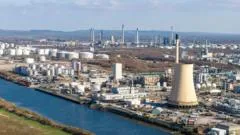
EET Fuels pollution incidents at the Stanlow refinery resulted in dozens of environmental permit breaches throughout 2023 and 2024. Investigative documents show the Ellesmere Port site repeatedly released toxic substances, such as benzene and cyanide, into local waterways and the Mersey Estuary. Although the company has invested £24 million into wastewater infrastructure, the Environment Agency is now conducting a criminal investigation into recent spills. This article examines the scale of these chemical releases, the resulting impact on protected ecosystems, and the ongoing regulatory challenges facing the refinery's operations.
How many times did the Stanlow refinery breach its permits?
The Environment Agency (EA) determined that EET Fuels, the operator of the Stanlow refinery, broke its permit conditions 58 times over a two-year period spanning 2023 and 2024. These breaches involved exceeding the permitted levels for various chemical releases into the air and local water systems. According to documents uncovered by SourceMaterial, the refinery's activities resulted in hundreds of instances where chemical levels surpassed legal thresholds.
The scale of these exceedances was significant. For example, sulphur dioxide levels in the air reached seven times the permitted limit, while cyanide levels in waterways such as the River Gowy were recorded at more than eight times the allowed amount. Most notably, oil releases were found to be more than thirteen times the permitted levels. These incidents represent a pattern of regulatory non-compliance that follows a previous legal battle where the company pleaded guilty to 12 charges of breaching environmental law between 2018 and 2020.
Specific chemical exceedances recorded
The documentation highlights several high-risk substances that entered the local environment. Beyond sulphur dioxide and cyanide, the refinery released benzene and heavy oils. These substances pose risks not only to human health through air and water contamination but also to the complex biological networks of the Mersey Estuary. The frequency of these events suggests a systemic issue with managing industrial discharge within the permitted framework.
What was the environmental impact on the Mersey Estuary?
Pollution from the refinery has directly threatened the Mersey Estuary, a Site of Special Scientific Interest (SSSI) that serves as a vital habitat for endangered species. Spills from the site reached Thornton Brook and the River Gowy, which feed into the estuary. This area is a critical breeding ground for rare birds and a feeding site for species such as the dunlin, black-tailed godwit, and redshank. Charlotte Harris, chief executive of the Cheshire Wildlife Trust, noted that these species rely on the area due to years of intensive pollution cleanup from previous industrial activity.
The dynamic nature of the river system means that chemical pollution does not remain stationary. When contaminants enter the high-energy river network, they spread rapidly across wide areas. In September 2024, a spill involving more than a tonne of oil was released into Thornton Brook. Drone surveys conducted following this incident revealed that the oil had spread for over a mile, causing visible brown discolouration around sensitive reedbeds. This poses a direct ingestion risk to wading birds and can damage the salt marsh vegetation essential to the estuary's ecosystem.
How did these spills affect local communities and industries?
The environmental breaches have had tangible consequences for local residents and the regional economy. In July 2023, a significant incident involving oil-contaminated rainwater led to numerous complaints from local residents regarding unpleasant smells. Investigations at the time indicated that the oil had also contaminated groundwater supplies, though EET Fuels stated the impact was localised to two boreholes within the site itself.
Local industries, particularly those reliant on the estuary's natural resources, also faced disruptions. Following the September 2024 oil spill, authorities had to close local cockle beds for five weeks while the Food Standards Agency (FSA) conducted water quality testing. Mark Taylor, CEO of the Inshore Fisheries and Conservation Authority North West, stated that this closure caused a delay in fishers being able to generate income from the beds, although he noted that much of this income was recovered later in the season.
Why are regulators facing criticism over these incidents?
The handling of the Stanlow refinery's pollution incidents has raised serious questions about the effectiveness of environmental oversight in the UK. While the Environment Agency has launched a criminal investigation into the September 2024 spill, other regulators have taken different paths. Natural England, which oversees protected SSSIs, eventually dropped its investigation into the 2024 incident, concluding that the impact on the protected site was "minor."
However, internal communications revealed a controversial reasoning for this decision. Natural England officers indicated they dropped the case because the refinery's permit did not actually set specific limits on the quantity of oil that could be released via storm overflows. This has led to accusations of regulatory downgrading. James Wallace, chief executive of the charity River Action, argued that such findings suggest evidence of pollution is being ignored. He emphasized that consistent law enforcement and the threat of punitive measures are necessary to deter industrial pollution effectively.
The regulatory gap in oil discharge
The revelation that a permit could allow for the release of oil without a defined quantity limit highlights a potential loophole in industrial regulation. If a company is operating within the technical bounds of a permit that lacks specific volume constraints, regulators may find themselves legally unable to take action, even when visible environmental damage occurs. This creates a tension between legal compliance and environmental protection.
What is the current status of EET Fuels' operations?
EET Fuels maintains that it is actively working to improve its environmental performance and governance. The company has stated that historical permit exceedances do not reflect its current operational status. To support this, the company reported investing over £24 million in major wastewater infrastructure. This investment is intended to drive an upward trend in compliance, with the company noting an improvement in its Environment Agency compliance rating from an F in 2023 to an E in 2024.
Despite these investments, the company remains under intense scrutiny. While it is due to be sentenced next month for breaches occurring between 2018 and 2020, the more recent 2024 incidents remain the subject of an ongoing criminal investigation by the Environment Agency. The balance between the refinery's role as a critical fuel provider—processing 10 million tonnes of crude oil annually to produce 18% of the UK's road transport fuel—and its environmental obligations remains a central point of contention for regulators and environmentalists alike.
Frequently asked questions
What chemicals were identified in the Stanlow refinery spills?
The spills included toxic substances such as cyanide, benzene, and heavy oils. Additionally, sulphur dioxide was released into the air at levels seven times higher than permitted. These chemicals entered local waterways like Thornton Brook and the River Gowy, eventually reaching the Mersey Estuary.
How much oil was released during the September 2024 incident?
More than a tonne of oil was released into Thornton Brook during the September 2024 spill. This incident caused the oil to spread for over a mile, as confirmed by drone footage, and led to the temporary closure of local cockle beds for five weeks.
What is the role of the Environment Agency in this case?
The Environment Agency is the primary regulator responsible for investigating permit breaches. It is currently conducting an ongoing criminal investigation into the September 2024 oil spill and is reviewing the 2023 offences to determine what enforcement actions should be taken.
Why did Natural England drop its investigation?
Natural England dropped its investigation because it determined the environmental impact on the Site of Special Scientific Interest was minor. Internal emails also suggested the decision was influenced by the fact that the refinery's permit did not set specific limits on the quantity of oil released.
How much fuel does the Stanlow refinery produce?
The Stanlow refinery is one of the UK's four remaining refineries and processes 10 million tonnes of crude oil every year. This production accounts for approximately 18% of the total fuel used for road transport, such as cars and trucks, in the United Kingdom.
Key takeaways
- EET Fuels exceeded environmental permit limits 58 times during 2023 and 2024.
- Toxic releases included cyanide at eight times and oil at thirteen times permitted levels.
- A tonne of oil spilled in September 2024 impacted the Mersey Estuary SSSI.
- The company has invested £24 million in wastewater infrastructure to improve compliance.
- The Environment Agency is conducting a criminal investigation into recent spills.
Conclusion
The recurring pollution incidents at the Stanlow refinery highlight a significant tension between vital industrial production and environmental preservation. While EET Fuels has committed substantial capital to upgrading its wastewater infrastructure, the frequency of permit breaches and the scale of chemical releases suggest that current safeguards may be insufficient. The ongoing criminal investigations and the debate over regulatory loopholes underscore the need for more robust enforcement. As the refinery continues to provide a significant portion of the UK's road transport fuel, the challenge remains to ensure that industrial necessity does not come at the permanent expense of the Mersey Estuary's delicate and protected ecosystems.