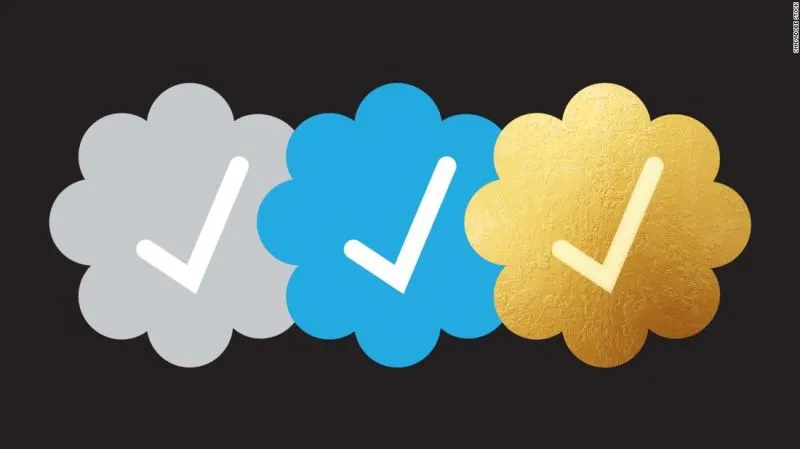
Twitter is transitioning from a model of identity authentication to a paid subscription service, fundamentally changing what the blue check mark represents. This shift moves away from verified status based on real-world identity toward a system where anyone can purchase a badge of legitimacy. As the platform evolves, users face growing confusion regarding the credibility of accounts. The removal of legacy badges creates a landscape where paid status is often mistaken for official verification, potentially undermining the trust that once defined the social network's ecosystem.
Why did Twitter change its blue check mark system?
Twitter changed its verification system to transition from a model based on identity authentication to one based on paid subscriptions. Under previous management, the blue check mark served as a tool to verify that an account was the authentic presence of a notable person, brand, or organization. This system was designed to provide a layer of security and trust, ensuring that users could distinguish between public figures and impersonators.
Elon Musk's vision for the platform involves monetizing the verification process through a paid service, effectively turning a badge of authenticity into a premium feature available to any user willing to pay. This shift moves the platform away from a curated list of verified entities toward a broader, revenue-driven model where the check mark is a product rather than a certificate of identity.
The shift from authenticity to subscription
The fundamental change lies in what the blue check mark represents. Previously, it was a signal of trust, indicating that the platform had vetted the user and confirmed their identity. This vetting process was intended to protect the integrity of public discourse by ensuring that high-profile accounts were who they claimed to be.
Now, the badge is increasingly tied to the platform's revenue goals, creating a landscape where a paid subscription can grant a user the same visual status once reserved for public figures and verified entities. This transition changes the social contract of the platform; instead of a badge earned through notoriety or institutional importance, it is a badge purchased through a monthly fee. This creates a new hierarchy where financial contribution, rather than social or professional standing, dictates visual prominence.
How did the New York Times lose its blue check mark?
The New York Times was specifically singled out during the recent wave of verification changes. While Elon Musk had previously suggested a massive purge of legacy blue check marks to clear the way for the new subscription model, the removal of the New York Times' badge highlighted a friction point between the new administration and established media institutions.
The loss of the mark for such a prominent news organization serves as a case study in how the new verification rules are being applied to legacy accounts. For decades, the blue check mark provided a shorthand for institutional credibility. By removing it, the platform has signaled that legacy status and journalistic authority no longer grant automatic visual verification under the new regime. This move has raised questions about how established organizations will maintain their presence in a system that prioritizes individual subscribers over institutional verification.
What is the impact of the blue check mark purge on platform credibility?
The removal of legacy verification marks poses significant challenges to the perceived reliability of information on the platform. When the distinction between an official news organization and a paid subscriber becomes visually blurred, users may struggle to discern authoritative sources from unverified accounts. The historical utility of the check mark was its ability to act as a beacon for truth in a sea of digital noise.
This ambiguity is a central concern for digital literacy and the combatting of misinformation. If a user sees a blue check mark, they may instinctively grant a level of trust to the content that the account holder has not actually earned through identity verification. The purge of legacy marks removes the established landmarks of credibility that users have relied upon to navigate the platform's information ecosystem.
The risks of visual ambiguity
As the blue check mark becomes a commodity, the visual cues that users have relied on for years to identify credible sources are being eroded. This creates an environment where bad actors can potentially purchase a semblance of authority, complicating the efforts of researchers and journalists to maintain a clear information hierarchy on the social network.
The risk is not merely that people will be fooled, but that the very concept of 'verified' will lose its meaning. If anyone can buy the symbol of authority, the symbol itself becomes diluted. This visual ambiguity makes it increasingly difficult for the average user to perform the quick mental checks required to evaluate the legitimacy of a post or an account, potentially leading to the rapid spread of unverified or false information.
What are the broader implications for Twitter's business model?
The move toward a subscription-based verification model represents a pivot in Twitter's financial strategy. By decoupling verification from identity and attaching it to a monthly fee, the company aims to diversify its revenue streams beyond traditional advertising. This strategy seeks to create a more predictable income through user subscriptions, even as it disrupts the existing social contract regarding account authenticity.
This pivot reflects a broader trend in the tech industry toward direct-to-consumer monetization. However, unlike traditional subscription services that offer exclusive content, Twitter's model sells a status symbol. While this may provide a short-term boost to revenue, the long-term impact on user engagement and platform health remains an open question. The company is essentially betting that the revenue from subscriptions will outweigh the potential loss of trust from users and advertisers who value a verified information environment.
FAQ: Twitter blue check marks
What does the blue check mark mean now?
The blue check mark now primarily signifies that a user is a subscriber to Twitter's paid services. While it once indicated a verified identity or public figure, it has transitioned into a feature of the platform's subscription model, separating it from the traditional concept of identity authentication.
Why was the New York Times targeted?
The New York Times lost its blue check mark as part of the broader transition to the new verification system. This move highlighted the shift away from legacy verification for media organizations, as the platform moves toward a model where the badge is tied to paid subscriptions rather than institutional status.
Will all legacy verified accounts be removed?
The platform has moved toward a system where legacy verification is being phased out in favor of the subscription model. While the process has been uneven, the goal is to replace the old identity-based verification with a system where users pay for the blue check mark status.
Can anyone get a blue check mark?
Under the new system, any user can obtain a blue check mark by subscribing to the platform's paid tier. This represents a significant departure from the previous era, where the badge was strictly reserved for individuals and organizations that met specific criteria for public interest and authenticity.
Does the new system help prevent impersonation?
The new system may actually make preventing impersonation more difficult. Because the blue check mark is now a purchasable feature, it is harder for users to distinguish between a legitimate organization and a paid account that has adopted a similar name and visual identity to mimic an official source.
Key takeaways
- The blue check mark has transitioned from an identity verification tool to a subscription-based feature.
- Major media outlets, including the New York Times, have seen their legacy verification status removed.
- The new model aims to generate revenue through user subscriptions rather than just advertising.
- The shift creates new challenges for users attempting to identify authoritative news sources.
The future of verification on the platform
The transformation of Twitter's verification system marks a definitive end to the era of identity-based authentication as it was once understood. As the platform continues to integrate its subscription model, the tension between revenue generation and information integrity will likely remain a central conflict. For users and institutions alike, navigating a landscape where visual authority is a paid commodity will require heightened scrutiny and a new approach to digital verification. The long-term stability of the platform may depend on whether it can find a way to monetize its user base without permanently eroding the trust that makes social media a viable space for public discourse.