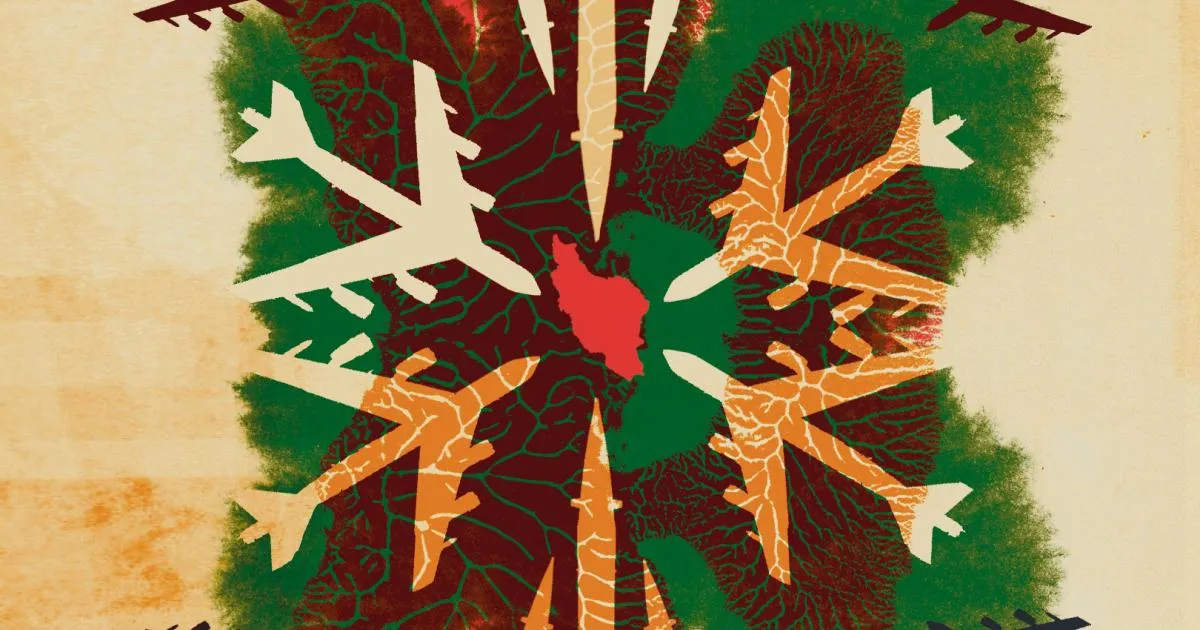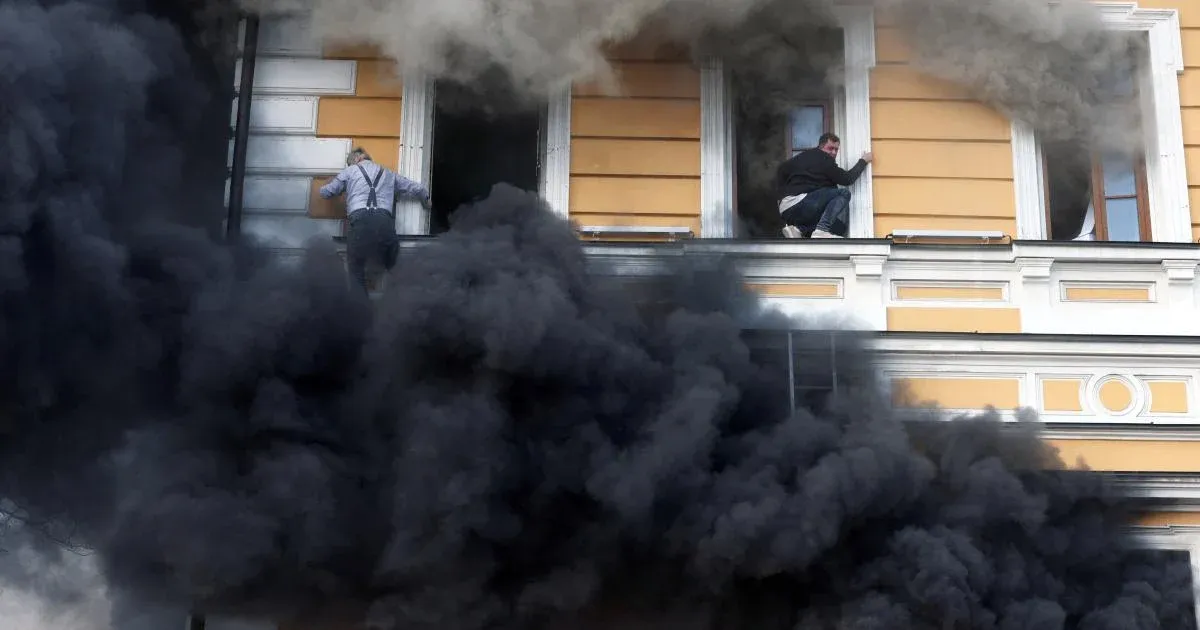
The Iran escalation strategy is a proactive military and economic doctrine designed to force a United States withdrawal from the Middle East. Following the 2026 US-Israeli military strikes against Iranian leadership and infrastructure, Tehran has shifted from defensive posturing to a policy of continuous offense. The regime seeks to make the regional presence of Washington so costly—through energy market disruptions and attacks on military assets—that the US is compelled to retreat. This article examines the drivers of this shift and the potential for further regional destabilization.
Why is Iran adopting a strategy of continuous offense?
Tehran has transitioned to a policy of escalation because it views the 2026 US-Israeli military campaign not as a limited conflict, but as an existential threat aimed at the total destruction of the Islamic Republic. The regime's leadership perceives the strikes on February 28, 2026, as a definitive proof that the United States and Israel are unwilling to coexist peacefully. This mindset mirrors the psychological impact of the October 7, 2023, attacks on Israel, where a single moment of violence fundamentally altered the security calculus of the state.
The Iranian leadership has concluded that diplomatic negotiations are futile. They point to the US withdrawal from the 2015 nuclear deal and the resumption of hostilities during active talks as evidence of American bad faith. Consequently, the current strategy focuses on making the cost of American involvement in the Middle East prohibitively high. This involves targeting the economic interests of regional partners and disrupting global energy flows to ensure that Washington cannot maintain its current regional posture.
The psychological shift in Tehran
The trauma of the 2026 strikes has hardened the resolve of the Iranian elite. Having lost senior officials and family members in the initial bombardments, the leadership no longer seeks compromise. Instead, they have embraced a 'maximum deterrence' doctrine. This approach is intended to signal to the world that any attempt to dismantle the regime will result in catastrophic consequences for global stability and American interests.
How has the 2026 conflict reshaped Iran's leadership?
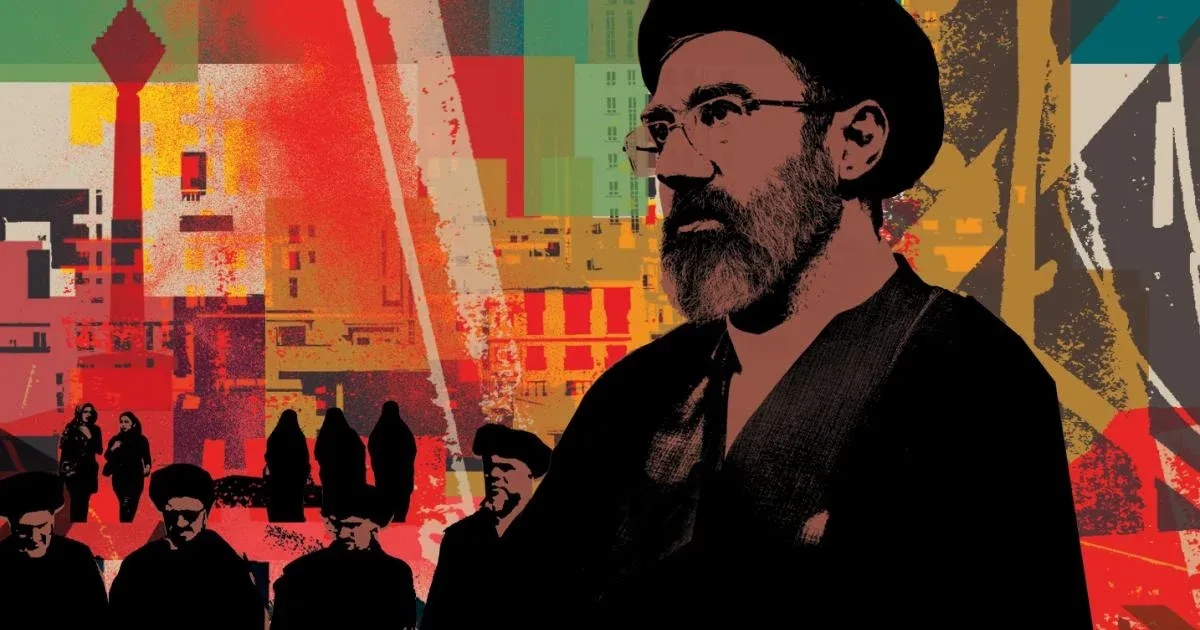
The death of Supreme Leader Ali Khamenei during the initial US strikes has led to a significant restructuring of the Iranian political and military hierarchy. The transition of power to Mojtaba Khamenei has ushered in a more hawkish era, characterized by the promotion of hardline military commanders to critical security positions. To mitigate the impact of decapitation strikes, the regime had spent the previous year decentralizing its bureaucracy, allowing provincial and military leaders to operate autonomously.
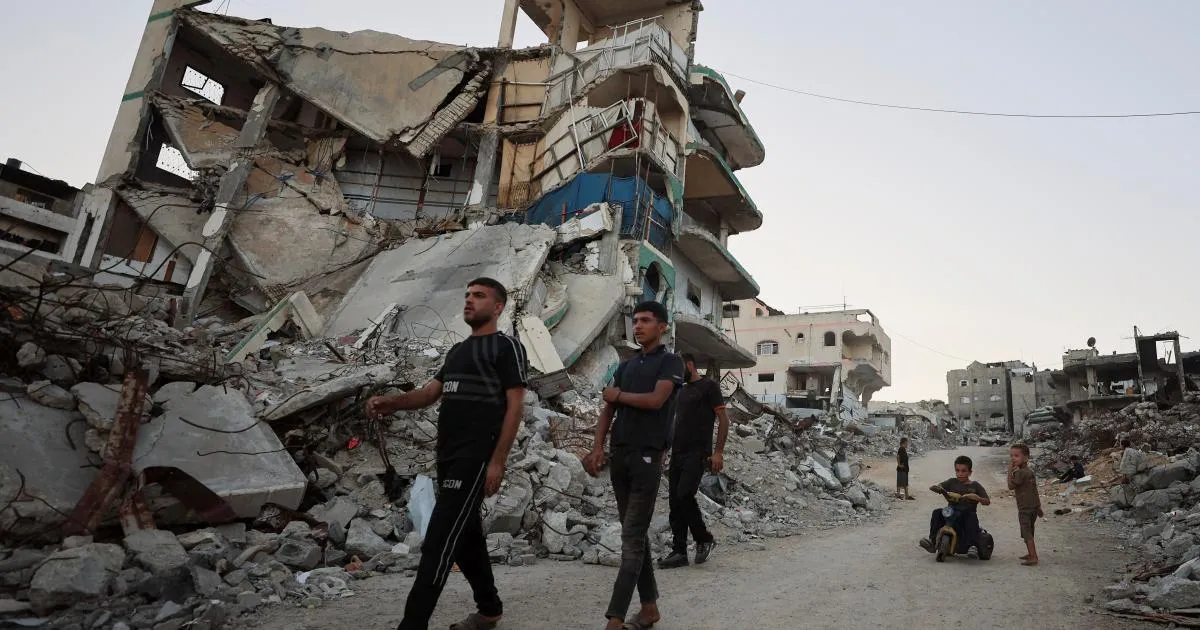
This new leadership structure is deeply influenced by the loss experienced during the war. The death of high-ranking officials and the targeting of civilian infrastructure, such as energy plants and transport networks, have fueled a desire for retribution. Under Mojtaba Khamenei, the regime has moved away from relying solely on non-state proxies, instead utilizing its own military capabilities to launch direct strikes against US interests and regional allies.
What are the core components of the new Iranian military doctrine?
The new Iranian military doctrine focuses on systematic degradation of US and Israeli capabilities through a method described as a regional version of 'mowing the lawn.' Rather than seeking a single decisive battle, Tehran intends to conduct repeated, limited strikes designed to weaken the adversary's ability to protect its forces and allies over time. This approach aims to erode the credibility of US security guarantees in the Persian Gulf.
Key elements of this doctrine include:
- Economic Warfare: Targeting American oil companies and economic assets to increase the financial burden of regional stability.
- Infrastructure Attacks: Utilizing missile and drone capabilities to strike US military bases, such as those in Jordan and Gulf Arab countries.
- Maritime Disruption: Maintaining the ability to shutter the Strait of Hormuz, thereby exerting leverage over global energy markets.
- Preemptive Strikes: Engaging in offensive operations against perceived staging grounds for enemy attacks to maintain a proactive stance.
By implementing these tactics, Tehran hopes to create a state of perpetual instability that eventually forces a strategic recalculation in Washington.
Will the escalation strategy succeed in forcing a US withdrawal?
The success of Iran's strategy depends on whether the regime can maintain its domestic stability and military readiness while sustaining high-intensity provocations. Tehran is currently operating under the belief that US political will is fragile, constrained by domestic opposition to war and dwindling ammunition stockpiles. However, the regime also recognizes that its window of opportunity may be limited by shifting global energy routes and changes in US administration.
There is a significant perception gap between Washington and Tehran regarding the regime's stability. While US officials have characterized the Islamic Republic as being in a 'death spiral,' the Iranian leadership views its survival of the 2026 war as a sign of strength. This divergence in outlook suggests that even if a settlement is reached, the peace will be fragile. Tehran remains committed to responding to any perceived provocation, often through preemptive action, to ensure that the United States never feels secure in the region.
The role of US domestic politics
Iranian analysts closely monitor US election cycles, believing that political constraints—such as the desire to win midterm elections—temporarily limit American aggression. However, they also fear that a more moderate US president could be more dangerous by successfully building international coalitions to isolate Iran. This creates a complex landscape where Tehran must balance aggressive posturing with the need to avoid a total war that could lead to its ultimate collapse.
Key takeaways
- Iran has shifted to a strategy of continuous offense to force US withdrawal from the Middle East.
- The 2026 US-Israeli strikes on Iran's leadership and infrastructure fundamentally hardened the regime's resolve.
- Mojtaba Khamenei's leadership marks a move toward more direct military engagement and hawkish policies.
- Tehran aims to degrade US regional capabilities through repeated, limited strikes on military and economic assets.
- The regime views US diplomatic efforts as inherently untrustworthy due to past treaty violations.
FAQ: Iran escalation strategy
What is the primary goal of Iran's current strategy?
The primary goal is to make the United States' presence in the Middle East so costly and painful that Washington is forced to withdraw its troops and accept Tehran's regional dominance, particularly regarding control over the Strait of Hormuz.
How did the 2026 war change the Iranian government?
The war led to the death of Supreme Leader Ali Khamenei and a subsequent shift toward a more aggressive leadership under Mojtaba Khamenei. It also prompted the regime to decentralize its command structure to survive future decapitation strikes.
What does 'mowing the lawn' mean in the Iranian context?
In this context, it refers to a strategy of conducting frequent, limited military strikes intended to gradually weaken the capabilities and security of US and Israeli forces, making them less effective over the long term.
Why does Iran distrust US diplomacy?
Tehran views the US as an unreliable partner, citing the withdrawal from the 2015 nuclear deal and the fact that US military strikes occurred while both nations were engaged in diplomatic negotiations.
How does Iran plan to impact the global economy?
Iran intends to target American economic assets, oil companies, and global energy markets, specifically by utilizing its ability to disrupt or shutter the Strait of Hormuz to drive up energy prices.
Conclusion
The shift in Iran's strategic posture from defensive deterrence to proactive escalation represents a fundamental change in Middle Eastern geopolitics. Driven by the trauma of the 2026 conflict and a deep-seated distrust of American intentions, the regime under Mojtaba Khamenei is committed to a policy of making US regional involvement unsustainable. By targeting military infrastructure and global energy security, Tehran seeks to rewrite the regional order. Whether this strategy results in a US withdrawal or a more intense, prolonged conflict remains the central uncertainty for international security in the coming years.