The New Big 5 is a global initiative that uses high-impact photography to advocate for endangered species and raise awareness about environmental threats. Unlike the original colonial term, this project identifies the elephant, polar bear, lion, gorilla, and tiger as the most desired animals for photography. According to the WWF, lion populations have plummeted from 200,000 a century ago to an estimated 20,000 today. This initiative, led by photographer Graeme Green, aims to shift the focus from hunting to visual storytelling. This article examines the species involved, the photographic challenges, and the broader message of the project.
What is the New Big 5 initiative?
The New Big 5 is an international conservation project designed to transform how humanity interacts with the world's most iconic wildlife. Founded by British photographer Graeme Green, the project seeks to encourage a shift in perspective: moving from the historical tradition of hunting to the modern practice of capturing images. Green conceived the idea while on assignment in Botswana, aiming to inspire people to "shoot with a camera, not a gun."
The concept was shaped by public engagement. In 2021, approximately 50,000 people globally participated in a vote to select the five animals they most desired to see photographed in their natural habitats. The winners—the elephant, polar bear, lion, gorilla, and tiger—now serve as ambassadors for the wider biodiversity crisis. These species act as focal points for discussions regarding habitat loss, poaching, and the overarching impact of climate change.
From Trophy Hunting to Visual Advocacy
The term "Big Five" originally emerged from colonial trophy hunting in Africa, referring to the lion, elephant, leopard, rhino, and buffalo—animals considered the most difficult to kill. The New Big 5 reclaims this narrative, replacing the pursuit of death with the pursuit of light and composition. By focusing on the most photographed animals, the initiative leverages human fascination to drive political and social action for conservation.
Which species comprise the New Big 5?
The five species selected represent different ecosystems and face distinct, yet interconnected, existential threats. Each animal serves as a symbol for the specific environmental pressures affecting their respective biomes.
- The Elephant: As the largest living land mammal, elephants are currently battling habitat loss, human-wildlife conflict, and the persistent threat of poaching for the ivory trade.
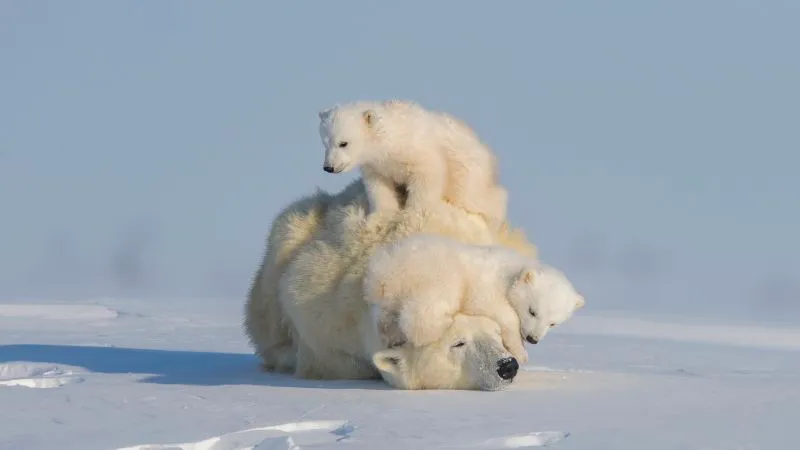
- The Polar Bear: These Arctic predators are primary indicators of climate change, facing a critical loss of sea ice which they rely on to hunt seals.
- The Lion: Once abundant, lion populations have seen a massive decline. WWF estimates that only about 20,000 lions remain globally, a staggering drop from 200,000 a century ago.
- The Gorilla: Found specifically in Rwanda, Uganda, and the Democratic Republic of Congo, mountain gorillas have seen a slow recovery, moving from "critically endangered" to "endangered" status.
- The Tiger: Endangered due to habitat fragmentation and the illegal wildlife trade, tigers remain difficult to document in their dense, natural environments.
The Significance of Gorilla Recovery
The shift in the mountain gorilla's classification is a vital success story within the initiative. Graeme Green notes that this recovery is a direct result of coordinated efforts between governments, local communities, and international conservation organizations, proving that targeted intervention can reverse extinction trends.
How does photography document the extinction crisis?
Wildlife photography provides a visceral connection to species that many people may never see in person. The New Big 5 project, through its accompanying book, features the work of 144 renowned photographers, including industry legends like Steve McCurry and Ami Vitale. These images do more than decorate pages; they serve as evidence of both beauty and loss.
Photographers often face extreme technical and physical challenges to capture these moments. For instance, Thomas Vijayan described the difficulty of photographing tigers in the thick, rainy forests of India, noting that high-speed camera settings are essential to "freeze" the animal in motion. Similarly, Hao Jiang captured a rare moment of intimacy with a polar bear family, documenting twin cubs playing on their mother during a hunt. These images humanize the wildlife, making the abstract concept of "extinction" feel personal and urgent.
What are the broader threats facing global biodiversity?
While the New Big 5 are the primary focus, the initiative highlights a much larger crisis. A dedicated section titled "What We Stand to Lose" expands the scope to include a vast array of species, from insects to blue whales, illustrating that the threats facing the "Big Five" are part of a systemic global decline.
The United Nations has warned that nature is declining at an unprecedented rate, with approximately one million species currently facing the risk of extinction. The project documents various specific threats across different environments:
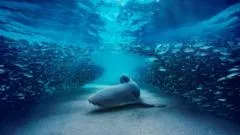
- Marine Ecosystems: The Atlantic goliath grouper, which can grow up to 2.5 meters, faced massive population declines. While fishing was once banned in Florida to protect them, recent discussions about reopening fishing pose new risks.
- River Systems: In South Asia, the gharial—a crocodile-like reptile—is critically endangered, largely due to habitat destruction caused by sand mining.
- Terrestrial Fragmentation: Species like the Iberian lynx and the golden monkey represent the struggle to maintain viable habitats in increasingly fragmented landscapes.
The Role of Rewilding and Indigenous Knowledge
The project does not merely present problems; it explores potential pathways for recovery. Essays within the initiative's literature examine the benefits of rewilding—the process of restoring natural processes and populations to damaged ecosystems—and the essential role played by indigenous communities in managing and protecting biodiversity.
FAQ: Frequently asked questions
What is the difference between the original Big Five and the New Big 5?
The original Big Five was a term used by colonial trophy hunters to identify the most challenging African animals to hunt: the lion, elephant, leopard, rhino, and buffalo. The New Big 5 is a modern conservation initiative that selects animals based on their popularity in photography and their status as endangered ambassadors.
Why were these specific five animals chosen for the New Big 5?
The animals—elephant, polar bear, lion, gorilla, and tiger—were chosen through a democratic process. In 2021, 50,000 people worldwide voted for the species they most wanted to see photographed in the wild, ensuring the project had global public engagement.
Can conservation efforts actually work to save these species?
Yes, conservation efforts have shown measurable success. For example, mountain gorilla populations have moved from "critically endangered" to "endangered" due to the combined work of governments, local people, and wildlife organizations, demonstrating that focused intervention can stabilize declining populations.
What is the main threat to polar bears today?
The primary threat to polar bears is climate change. The melting of Arctic sea ice significantly reduces their ability to hunt seals, which is their primary food source, thereby threatening their long-term survival in the wild.
How does the New Big 5 project help the environment?
The project uses the power of visual storytelling to raise awareness about habitat loss, poaching, and climate change. By creating an emotional connection through photography, it encourages global action and directs attention toward conservation solutions and the importance of biodiversity.
Key takeaways
- The New Big 5 includes the elephant, polar bear, lion, gorilla, and tiger.
- Lion populations have declined from 200,000 to approximately 20,000 in a century.
- The initiative aims to replace trophy hunting with wildlife photography.
- One million species currently face extinction according to United Nations data.
The urgency of collective action
The New Big 5 project serves as both a celebration of the natural world and a stark warning of its fragility. As leading conservationist Jane Goodall suggests, humanity currently possesses a narrow window of opportunity to repair the damage inflicted on the planet. The transition from viewing wildlife as targets to viewing them as subjects of profound beauty is a necessary step in this journey. Ultimately, the project suggests that while the scale of the extinction crisis is immense, collective global action and informed conservation strategies offer a path toward a future where wildlife can continue to flourish.